
Standing gracefully across the Sundays River between Colchester and Cannonville, the Mackay Bridge is one of the Eastern Cape’s most iconic historic river crossings. Although no longer open to vehicles, the bridge remains a favourite destination for walkers, photographers, birdwatchers and visitors looking to soak up the tranquil beauty of the Sundays River estuary.

Before a bridge existed, travellers making the journey between Port Elizabeth (now Gqeberha) and Grahamstown (now Makhanda) relied on a ferry, or pont, to cross the river. This crossing became a vital link on one of the Cape Colony’s busiest transport routes during the mid-1800s. However, repeated flooding proved disastrous, washing away the original ferry in 1874 and its replacement the following year, highlighting the urgent need for a permanent crossing.
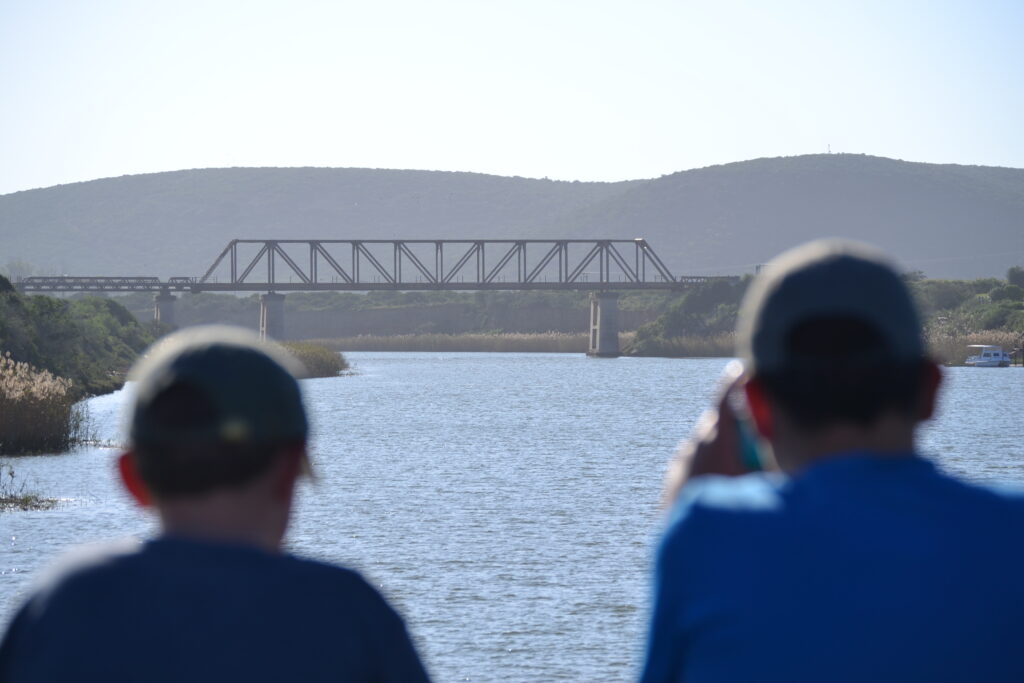
After years of planning, the first Mackay Bridge was officially opened on 5 March 1895. It was named in honour of John Mackay, whose determination and advocacy were instrumental in securing its construction. The elegant steel and iron bridge was manufactured in Sheffield, England, before being shipped to South Africa and assembled across the Sundays River.
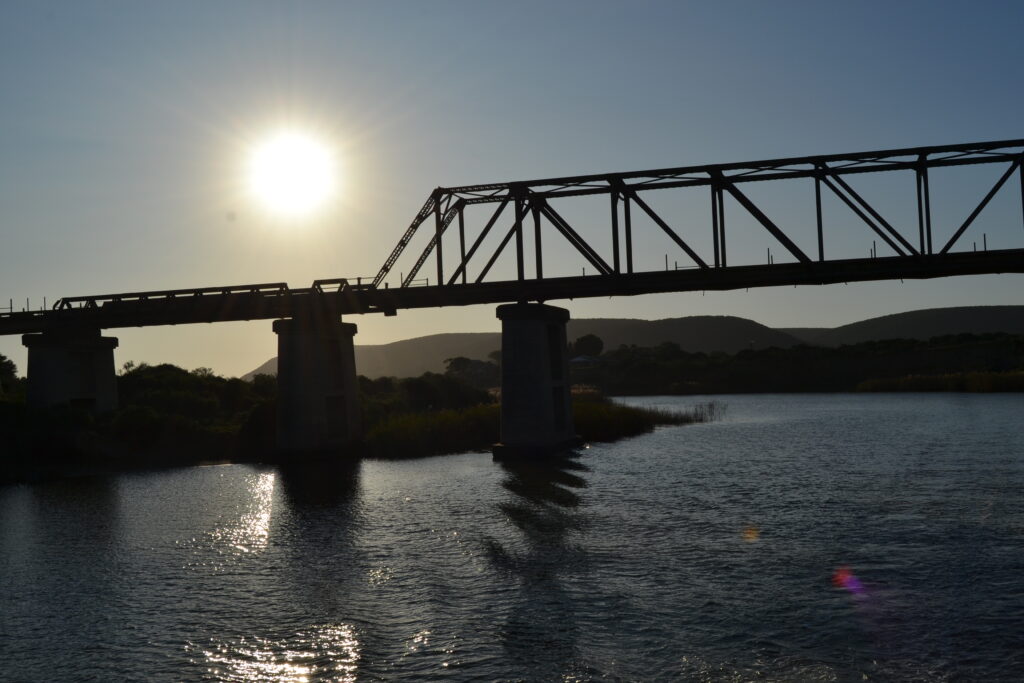
Nature, however, had other plans. Severe flooding during 1931–1932 badly damaged the bridge, necessitating its replacement. The present Mackay Bridge was completed at a cost of £25,000 and officially opened on 5 July 1938. For decades it served as the main road bridge across the Sundays River, carrying thousands of travellers heading between Gqeberha and the eastern parts of the province.

The construction of the nearby N2 bridge eventually took over this role, allowing the historic Mackay Bridge to retire from motor traffic. Today it is reserved for pedestrians and cyclists, offering uninterrupted views across the broad estuary, surrounding wetlands and distant sand dunes.
The bridge has become one of the best places in the area to enjoy spectacular sunsets over the Sundays River. Its peaceful surroundings also attract a rich variety of birdlife, making it a popular stop for birdwatchers, while photographers are drawn by its graceful steel structure framed against the ever-changing colours of the sky.


